Iran War Tensions Escalate as Trump Renews Threats and Tehran Refuses
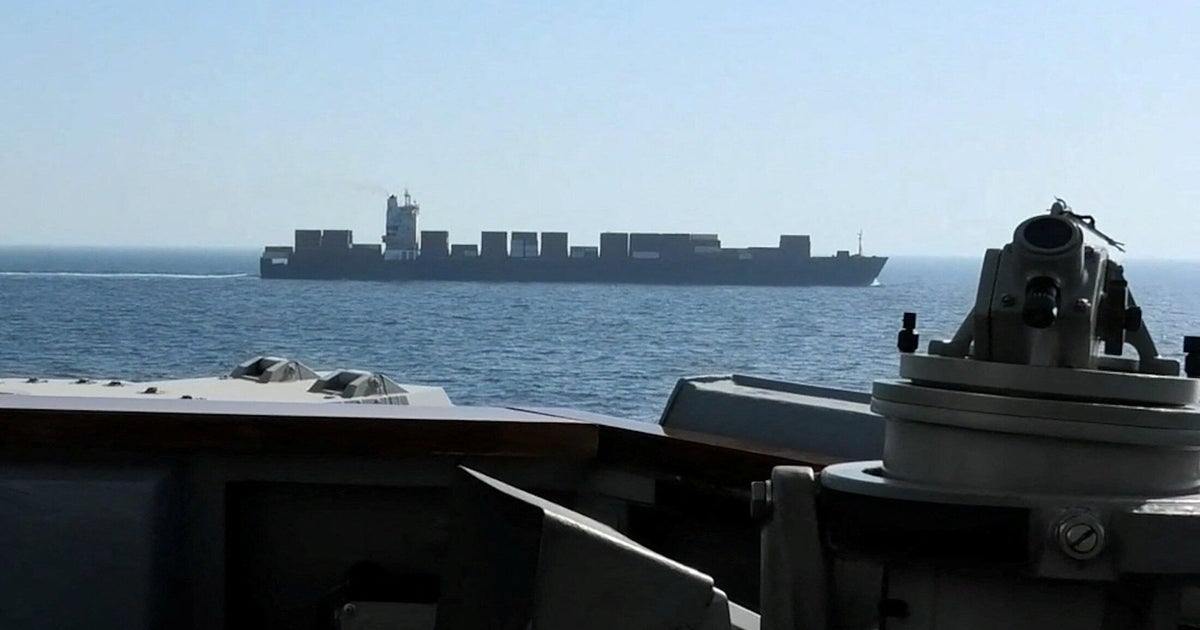
The conflict has significant implications for **global trade** and **energy security**, with the **Strait of Hormuz** being a critical waterway for oil exports.
Summary
The conflict has significant implications for **global trade** and **energy security**, with the **Strait of Hormuz** being a critical waterway for oil exports. The **US** and its allies are working to ensure the safe passage of ships through the strait, while **Iran** is seeking to exert its influence in the region. The situation is fluid, with new developments emerging daily. For more information, see [[global-trade|Global Trade]] and [[energy-security|Energy Security]]. The **US** has imposed **sanctions** on **Iran**, which have had a significant impact on the country's economy. The **Iranian government** has responded by increasing its military presence in the region and supporting **proxy forces** in neighboring countries.
Key Takeaways
- The conflict in the Strait of Hormuz is driven by complex geopolitical and economic factors
- The US and Iran have competing interests in the region
- The conflict has significant implications for global trade and energy security
- The International Community should work to support a peaceful resolution
- The US and Iran should engage in direct talks to address their differences
Balanced Perspective
The situation in the **Strait of Hormuz** is complex and multifaceted, with multiple factors at play. The **US** and **Iran** have competing interests in the region, and the conflict is driven by a range of factors, including **geopolitics**, **economics**, and **security concerns**. A peaceful resolution will require a nuanced and multifaceted approach, taking into account the interests and concerns of all parties involved. For more information, see [[geopolitics|Geopolitics]] and [[economics|Economics]]. The **US** and **Iran** have different perspectives on the conflict, with the **US** viewing it as a matter of **national security** and **Iran** seeing it as a matter of **sovereignty** and **self-defense**.
Optimistic View
Despite the current tensions, there is still hope for a peaceful resolution to the conflict. **Diplomatic efforts** are ongoing, with the **US** and **Iran** engaging in indirect talks through intermediaries. A peaceful resolution would have significant benefits for the region, including increased **stability** and **security**. For more information, see [[diplomatic-efforts|Diplomatic Efforts]]. The **International Community** is working to support a peaceful resolution, with many countries offering to mediate the conflict. The **US** and **Iran** have a long history of diplomatic engagement, and there is a possibility that a new agreement could be reached.
Critical View
The current tensions in the **Strait of Hormuz** are unlikely to be resolved anytime soon, and the conflict may escalate further. The **US** and **Iran** have a long history of conflict, and the current situation is driven by deep-seated **geopolitical** and **ideological** differences. The **International Community** is unlikely to be able to broker a peaceful resolution, and the conflict may have significant **humanitarian** and **economic** consequences. For more information, see [[humanitarian-consequences|Humanitarian Consequences]] and [[economic-consequences|Economic Consequences]]. The **US** and **Iran** are engaged in a **proxy war** in the region, with each side supporting different **militant groups** and **political factions**.
Source
Originally reported by CBS News